
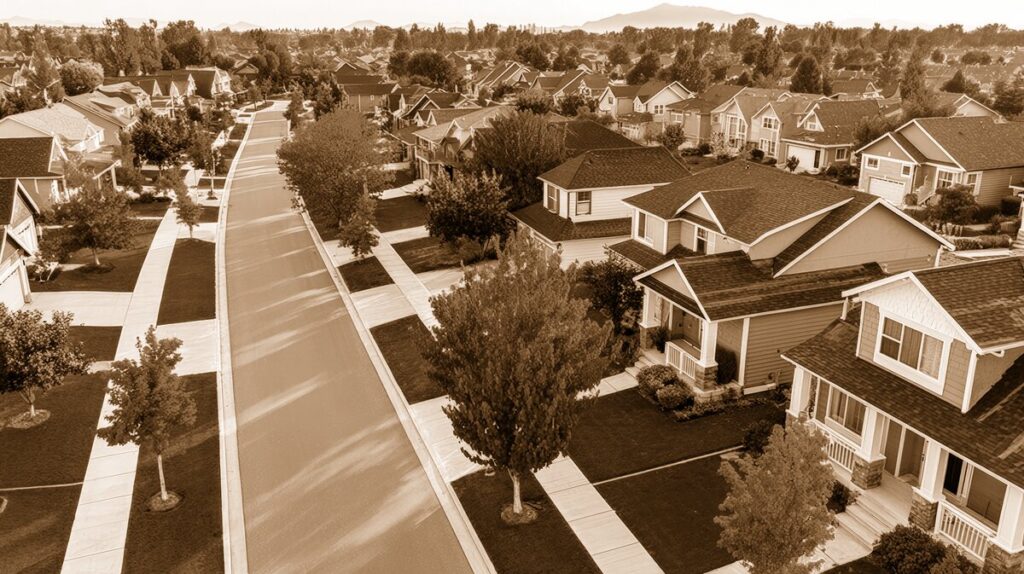
A Neighborhood Rooted in the Past
Nestled amid rolling hills and beneath the dappled canopy of towering old trees, Hunter’s Park is one of Duluth’s most quietly distinguished neighborhoods. For generations, it has beckoned families, nature lovers, and dreamers to its tidy residential streets — a place where the echoes of history blend seamlessly with the rhythms of contemporary life.
Early Origins and The Hunter Legacy
Hunter’s Park traces its roots back to the late 19th and early 20th centuries, during the boom years of Duluth’s development. As the city grew rapidly along the shores of Lake Superior, new residential enclaves cropped up near its bustling core. The neighborhood owes its name to George C. Hunter, a prominent Duluth businessman and civic leader. As an influential figure in the city’s early growth, Hunter was instrumental in advocating for residential planning that took full advantage of Duluth’s natural beauty.
Located roughly between Woodland Avenue, Arrowhead Road, and Rice Lake Road, today’s Hunter’s Park covers an area that was, in its earliest days, a patchwork of forest and wetlands. George Hunter and other early visionaries saw potential in this landscape, envisioning tree-lined streets and community-focused living.
Development and Historical Milestones
The first significant wave of development arrived in the 1910s and 1920s. As more Duluth residents sought neighborhoods away from the industry and commotion of downtown, Hunter’s Park offered a tranquil alternative. The street layout was designed to follow the natural contours of the land, resulting in winding drives like Hunter’s Park Drive and quiet residential lanes such as Kent Road and Clover Street.
A major milestone in the neighborhood’s history arrived with the establishment of parks and green spaces. In 1923, the City of Duluth set aside land for what would become the enduring centerpiece of Hunter’s Park: Hartley Park. This sprawling 660-acre reserve still forms the northern edge of the neighborhood and has provided generations of locals with trails, woods, and wildlife to explore right in their own backyard.
Notable Landmarks and Institutions
While Hunter’s Park is known primarily as a residential district, several landmarks anchor the community and help tell its story:
- Hartley Nature Center & Hartley Park: Accessible from Woodland Avenue and Hartley Road, this beloved park is a haven for hikers, bikers, skiers, and birdwatchers. The Hartley Nature Center, founded in 1996, offers environmental education for kids and adults, helping residents stay connected to the land.
- Historic Homes: Many homes in Hunter’s Park display classic early 20th-century architecture. Craftsman and Colonial Revival styles abound, and you’ll often see lovingly preserved front porches and decorative woodwork on streets like Mississippi Avenue and Hunter’s Park Drive.
- Hunter’s Park Community Garden: Tucked near the boundary with Chester Park, this community garden is a more recent addition but echoes the neighborhood’s longstanding commitment to green space and sustainability.
- Nearby Institutions: Although not located squarely within Hunter’s Park, the presence of the University of Minnesota Duluth and The College of St. Scholastica nearby infuses the area with academic culture and opportunity.
Evolution Through the Decades
Hunter’s Park thrived as a family neighborhood throughout the mid-20th century. In the postwar years, its well-regarded public schools, safe streets, and proximity to nature drew in educators, doctors, business owners, and families from all walks of life.
Some of the most enduring traditions have been the neighborhood block parties and seasonal events — potlucks at the park, Halloween parades along local streets and cross-country ski races starting from Hartley. These have helped foster a powerful sense of belonging.
As Duluth evolved, so too did Hunter’s Park. New waves of residents brought fresh energy, and in recent years the neighborhood has embraced a culture of environmental stewardship. Local volunteers organize yearly cleanup days in Hartley Park. Neighbors swap vegetables from their gardens along Manor Boulevard. The neighborhood’s mixture of old stately homes and newer builds has kept it vibrant and welcoming to all ages.
Streets That Tell a Story
Hunter’s Park isn’t defined by grand boulevards, but by its winding, tree-shaded streets with names like:
- Hunter’s Park Drive: The backbone of the neighborhood, connecting residents from Arrowhead Road down toward Woodland Avenue.
- Kent Road and Clover Street: Home to some of the neighborhood’s oldest homes, with a tranquility that makes for perfect evening strolls.
- Mississippi Avenue: A great example of the classic architectural character that marks Hunter’s Park.
Heritage Alive Today
Ask longtime residents what makes Hunter’s Park so special, and most will mention the trees, the trails, the sense of community. There’s an enduring pride here — in keeping old traditions alive and welcoming new neighbors warmly. Whether it’s the annual Hartley Park maple syrup boil, Earth Day trail work, or simply gathering on a neighbor’s porch to share stories, the sense of belonging runs deep.
Hunter’s Park remains a testament to the vision of its namesake and the generations who followed, preserving green space and fostering connection. It’s a slice of Duluth where the past and present coexist harmoniously — a place that feels, as so many have said over the years, like coming home.